
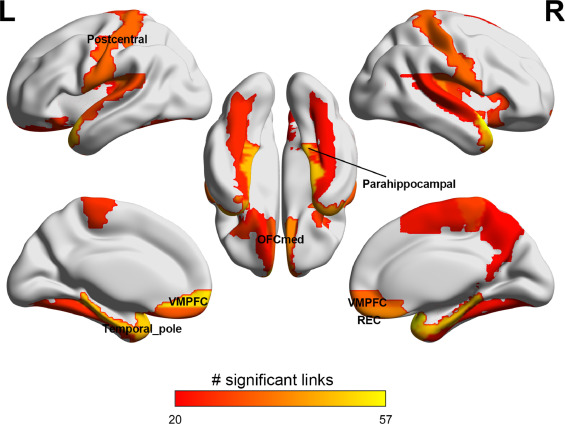
What are the neural mechanisms underlying risk-taking behavior?
Risk-taking behavior, particularly in adolescents, is influenced by a complex interplay of neural mechanisms, developmental factors, and environmental contexts. Research has identified several key neural regions and processes that underlie this behavior, highlighting the role of the prefrontal cortex, the ventral striatum, and the interplay between reward sensitivity and behavioral inhibition. The prefrontal cortex (PFC) is crucial for cognitive control and decision-making, particularly in the context of risk-taking. During adolescence, the PFC undergoes significant developmental changes that affect its functionality. ….[READ]
Disclaimer: This story is auto-aggregated by a computer program and has not been created or edited by budgetbuddy.
Publisher: Source link
Publisher: Source link