Demurrage fees are rising, container & Chassis tracking helps
If demurrage is showing up more often in your reports, you’re not alone. Rising congestion, tighter turnaround windows, and distributed operations are making it harder to keep containers and chassis moving.
The issue isn’t awareness, you already know what demurrage is.
The issue is control.
When containers and chassis sit longer than expected, it’s usually not because teams aren’t trying to move them. It’s because they don’t have the visibility to act fast enough.
Reducing demurrage starts with eliminating the guesswork.
WHere Demurrage Actually Happens in your ops
Demurrage isn’t just a port problem. It builds up across multiple points in your operation:
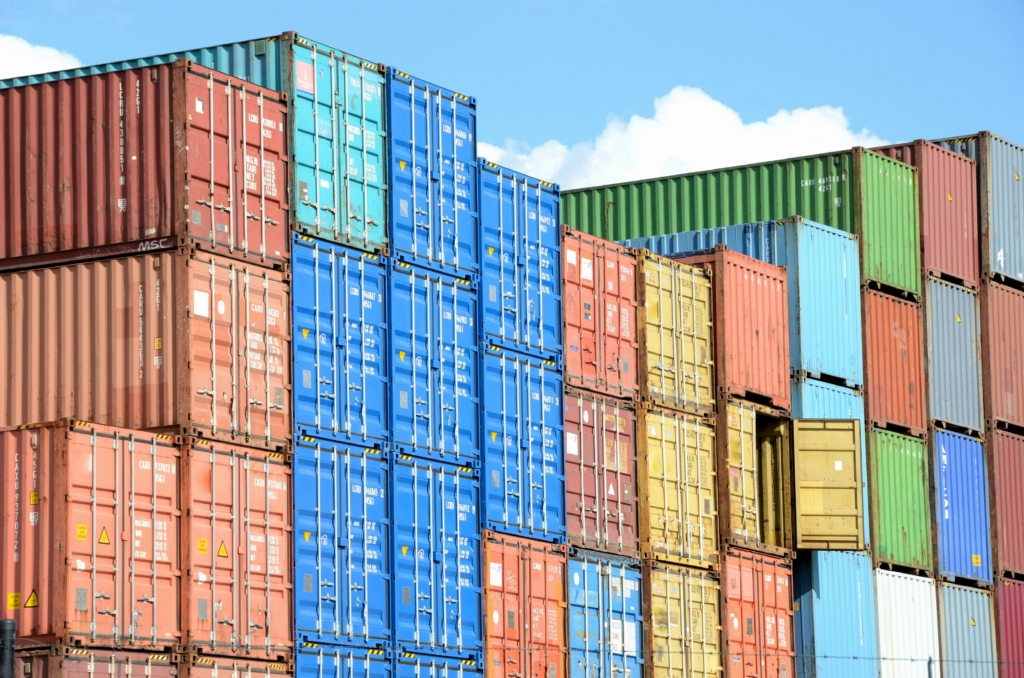
- Containers sitting in port or rail terminals past free time
- Chassis staged at yards without clear pickup timelines
- Equipment left at customer sites longer than planned
- Delays caused by miscommunication between teams
Each of these adds time. And time is what you’re being charged for.
The Real Root Cause: Delayed Decisions
Most demurrage is not the result of one major issue. It is the accumulation of small delays that go unnoticed until it is too late. Teams may not realize when an asset has arrived, how long it has been sitting, or which pickups should be prioritized first. Without accurate timing data, even validating charges becomes difficult.
This creates a reactive cycle. Decisions are made after the fact instead of in the moment when they matter most. Reducing demurrage requires shifting that timing forward so teams can act before delays turn into fees.
How Container and Chassis Tracking Changes the Equation
Container and chassis tracking closes the gap between what is happening in the field and what your team knows in real time. By placing GPS-enabled devices on non-powered assets, operations teams gain continuous visibility into location, movement, and dwell time across ports, yards, and job sites.
Instead of relying on manual updates or assumptions, teams can see where assets are, how long they have been there, and whether they are moving or idle. Alerts can be configured to notify teams when assets arrive, depart, or remain in one place too long, allowing faster response and better coordination across operations.
This shift from delayed awareness to real-time visibility is what enables teams to stay ahead of demurrage instead of reacting to it.
5 Practical Ways to Reduce Demurrage with Tracking
1. Prioritize the Right Pickups First
When all containers and chassis are visible in one place, it becomes easier to identify which assets are closest to exceeding free time. Instead of guessing or working through a static list, teams can prioritize based on real dwell time, ensuring the most urgent pickups happen first.
2. Eliminate Time Lost Searching for Equipment
A significant amount of delay comes from simply locating assets across large or distributed sites. With precise location data, teams no longer need to rely on calls, manual checks, or assumptions. This reduces wasted trips and accelerates retrieval.
3. Get Ahead of Free Time Expiration
Tracking systems can trigger alerts when assets enter or exit key locations such as ports or rail yards. This ensures teams are aware the moment the clock starts, giving them a clear window to act before fees are incurred.
4. Reduce Idle Time Across Yards and Job Sites
Visibility into dwell time highlights where assets are sitting longer than expected. This allows operations teams to identify bottlenecks, rebalance inventory, and keep containers and chassis moving more efficiently between locations.
5. Validate and Challenge Demurrage Charges
Accurate timestamp and location data provide a reliable record of asset activity. This makes it possible to verify whether fees are valid and gives teams the documentation needed to dispute incorrect charges when they arise.
With tracking in place, operations become more proactive and coordinated. Teams can identify containers approaching demurrage thresholds before penalties occur and adjust schedules accordingly. Pickup coordination improves because everyone is working from the same real-time data instead of fragmented updates.
Communication between operations, drivers, and yard teams becomes more aligned, reducing delays caused by miscommunication. Instead of reacting to issues after they have already impacted costs, teams can intervene earlier and keep assets moving without unnecessary bottlenecks.
What to Look for in a Tracking Solution
To effectively reduce demurrage, the tracking solution needs to align with the realities of non-powered equipment and harsh operating environments. Solutions should be designed specifically for containers and chassis, with battery-powered devices that require no wiring or infrastructure.
Durability is critical, especially in environments like ports and rail yards, where equipment is exposed to weather, impact, and heavy use. Long battery life ensures the solution remains low-maintenance, while reliable connectivity, whether cellular or satellite, keeps data flowing across regions.
Equally important is ease of use. A platform that is simple and intuitive allows teams to quickly access the information they need and act on it without adding complexity to daily operations.
Beyond Demurrage: The Bigger Operational Impact
While reducing demurrage is often the initial goal, the broader impact of tracking extends across the entire operation. With clear visibility into container and chassis movement, teams can better understand utilization patterns, reduce idle inventory, and improve turnaround times.
This also reduces the time and labor spent locating equipment, freeing up resources for higher-value tasks. Over time, these improvements contribute to more efficient operations, better coordination, and a more predictable cost structure.
Frequently Asked Questions
How can I reduce demurrage fees quickly?
Improving visibility is the fastest way to make an impact. When you can see where assets are and how long they have been there, you can prioritize actions that prevent fees before they occur.
What causes most demurrage fees?
Most demurrage fees are caused by delayed pickups, lack of visibility, and misaligned communication across teams responsible for moving equipment.
Can tracking really impact demurrage costs?
Yes, by providing accurate location, dwell time, and alerts, tracking allows teams to act sooner and avoid exceeding free time limits.
Do I need powered equipment to track containers and chassis?
No, tracking solutions are available that are specifically designed for non-powered assets, using long-life batteries and requiring no external power source.
Take Control of Demurrage Before It Hits Your Bottom Line
Demurrage is often a symptom of deeper visibility and coordination challenges. When teams have the information they need at the right time, they can act faster, reduce delays, and keep assets moving.
The difference is not working harder. It’s working with better data.
Schedule a demo to see how Geoforce helps you reduce demurrage and keep containers and chassis moving.
Disclaimer: This story is auto-aggregated by a computer program and has not been created or edited by budgetbuddy.
Publisher: Source link
Publisher: Source link